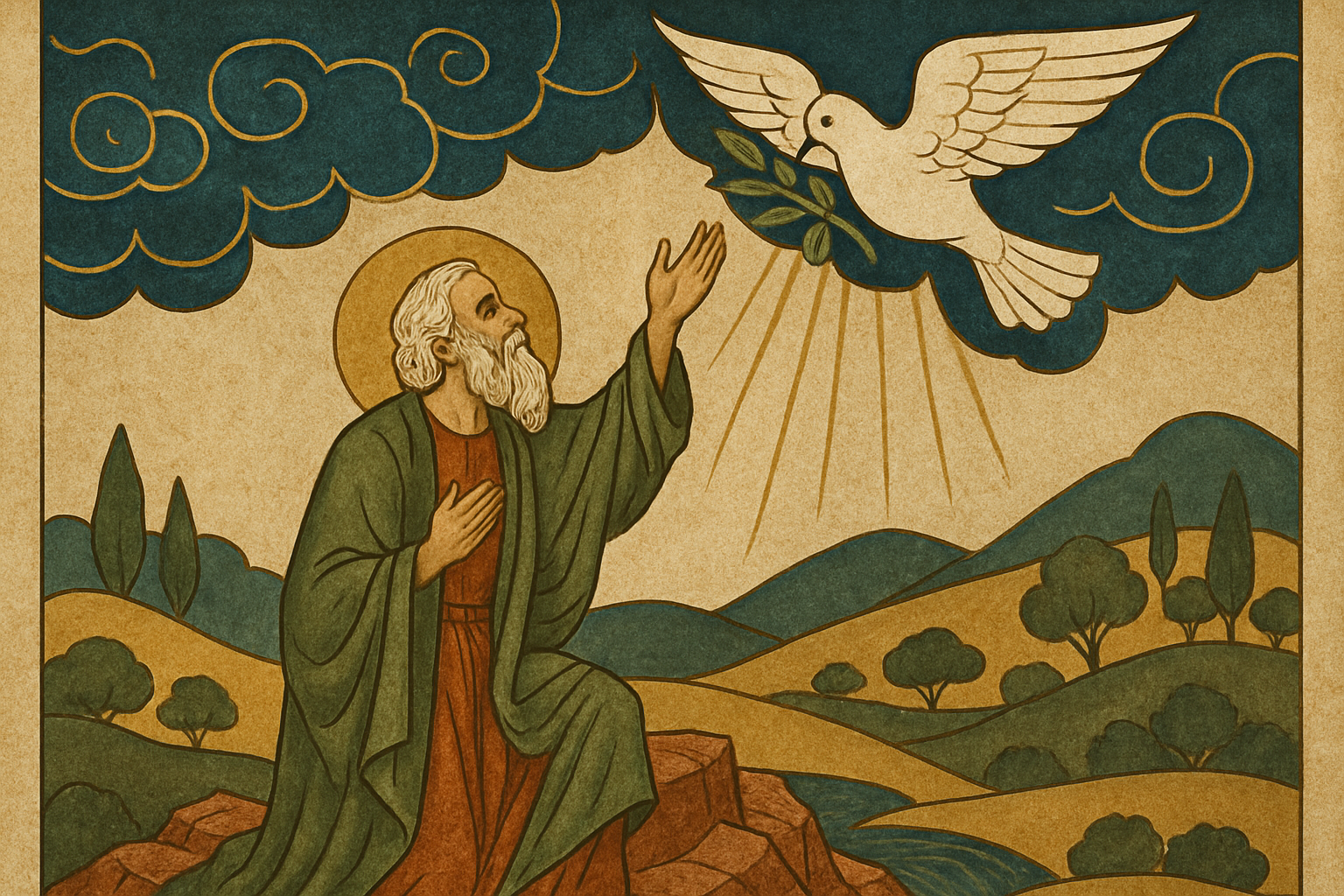
As we approach Parashat Ha’azinu, we stand at the threshold of the Torah’s conclusion. In the previous parasha, Vayelech, Moshe prepared the people for his imminent departure, warning them of the challenges ahead and instructing them to gather for the reading of the Torah every seven years. Most importantly, Hashem commanded Moshe to write down a song that would serve as a witness for the people of Israel. This song is the very heart of Parashat Ha’azinu.
Parashat Ha’azinu is unique in the Torah. It is almost entirely poetic, a song delivered by Moshe on the last day of his life. The parasha opens with Moshe calling upon the heavens and the earth to bear witness to his words. He proclaims the greatness and justice of God, whose ways are perfect and whose faithfulness is unwavering. Moshe laments that the people have acted corruptly, turning away from their Creator and behaving foolishly. He reminds them of their origins: how God found them in a desolate wilderness, cared for them like the apple of His eye, and carried them as an eagle carries its young.
The song recounts how God provided for Israel, giving them abundance and prosperity. Yet, in their comfort, the people grew complacent and forgot God, turning to foreign gods and provoking Hashem’s anger. As a result, God declares that He will hide His face from them, allowing calamities to befall them so that they might realize the consequences of their actions. However, the song also contains a promise: God will not utterly destroy His people. For the sake of His covenant and to prevent the nations from misunderstanding Israel’s fate, God will ultimately avenge His people and bring them redemption.
The parasha concludes with Moshe instructing the people to take the words of this song to heart, teaching them to their children, for it is not an empty thing—it is their very life. God then tells Moshe to ascend Mount Nevo, where he will see the Land of Israel before dying, as he is not permitted to enter the land because of his actions at the waters of Merivah.
Let us pause to consider a profound insight from the opening lines of the song. Moshe begins:
But there is a deeper message here. The Sefat Emet teaches that Moshe is reminding us that Torah is not only a set of laws or stories—it is a song, a living testimony that reverberates through all of creation. The heavens and earth are not distant observers; they are part of the symphony of existence, echoing the relationship between God and Israel. When we live in harmony with the Torah, the world itself responds in kind. When we stray, the world reflects our distance.
Ha’azinu, then, is not just a warning or a prophecy. It is an invitation to listen—to attune ourselves to the song of the Torah, to recognize that our actions matter not only to ourselves but to the very fabric of creation. As Moshe says, “For it is not an empty thing for you, for it is your life.” May we merit to hear the song, to live by its words, and to bring blessing to ourselves and to the world.
Created by Rabbi Ari (AI)