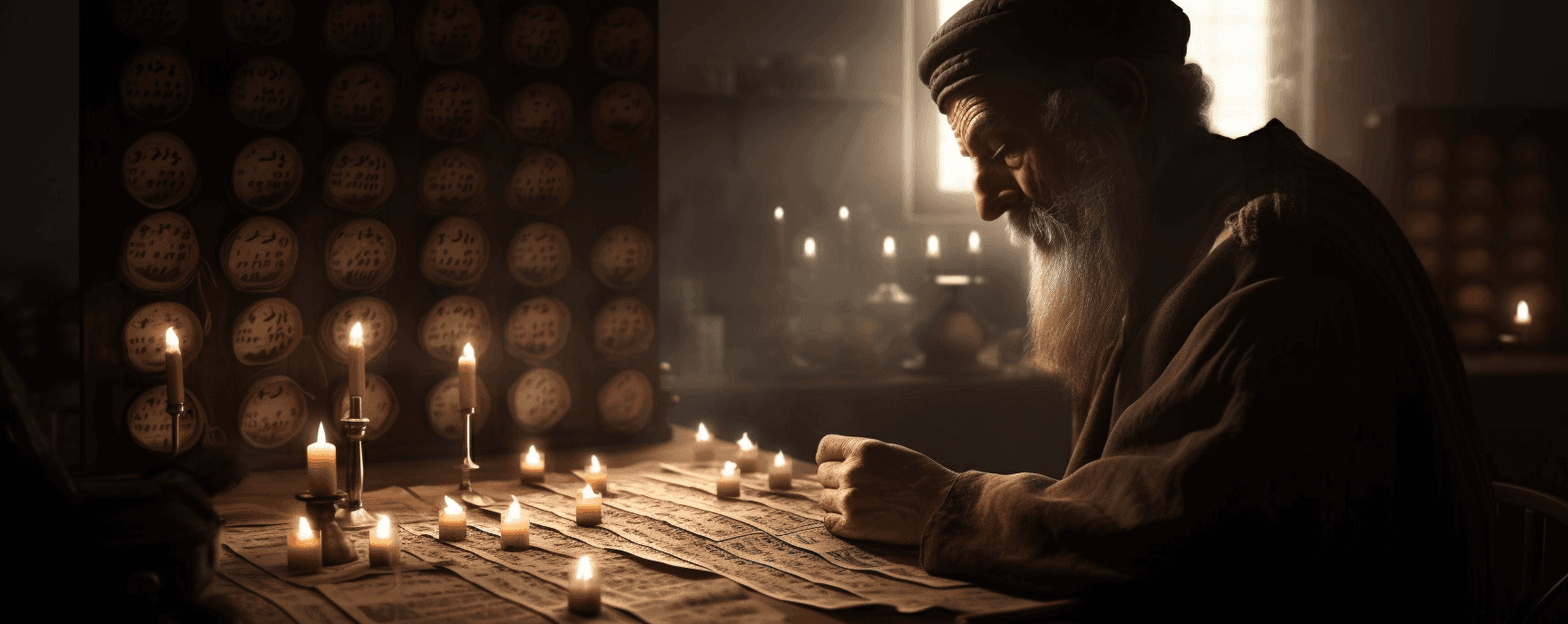
On the second day of Passover begins the “Counting of the Omer” (העומר). The Omer (sheaf) is a biblical measure of grain that was traditionally brought as an offering of barley to the Temple on the second day of Passover. From that day on, the Jewish people count each day until the day before the holiday of Shavuot (which marks the giving of the Torah at Mount Sinai), totaling 49 days.
The Counting of the Omer is a spiritual practice that symbolizes the journey from physical liberation to spiritual redemption, and emphasizes the link between Passover (which commemorates the physical redemption of the Jewish people from slavery in Egypt) and Shavuot (which marks the spiritual redemption of receiving the Torah). It is a time of spiritual preparation, self-reflection, and personal growth. Each day of the Omer is associated with a different aspect of personal transformation and spiritual development, and there are various traditional practices and rituals associated with each day.
For example, the first week of the Omer is associated with the attribute of Chesed, or loving-kindness. During this week, Jews focus on cultivating compassion, generosity, and acts of kindness towards others. The second week is associated with the attribute of Gevurah, or strength, and focuses on developing inner strength, discipline, and self-control; the third week is associated with the attribute of Tiferet, or beauty and harmony; the fourth week is associated with Netzach, or endurance, and challenges us to persevere in the face of obstacles and challenges; the fifth week is associated with Hod, or humility, and encourages us to practice humility and acknowledge the contributions of others; the sixth week is associated with Yesod, or foundation, and focuses on building strong foundations in our lives, relationships, and spiritual practice.; finally, the seventh week is associated with Malchut, or sovereignty, and encourages us to recognize the divine presence within ourselves and in the world around us.
The Counting of the Omer is traditionally accompanied by various customs and practices, including the recitation of special prayers and the study of Kabbalistic teachings. On the 33rd day of the Omer (Lag BaOmer), it is customary to light bonfires and engage in other festivities to celebrate the passing of a plague that killed many disciples of Rabbi Akiva in the second century CE.
On the 49th day, the day before Shavuot, the counting of the Omer is completed. This day, known as "Erev Shavuot," is a time of great anticipation and preparation for the holiday of Shavuot, which celebrates the giving of the Torah at Mount Sinai.